
Describe the property
Send the location, symptoms, equipment and access details. State whether the work is a repair, replacement or planned project.
Need plumbing help in Wallaceburg? Tell us about the leak, blocked drain, fixture or water heater. A responding provider will confirm coverage and availability before booking.
Get A Free QuoteCompare tank and tankless replacement options using the existing heater’s fuel, capacity, venting, connections, and any rental-agreement terms.
View scopeAssess affected fixtures and backup history to distinguish a local clearing from main-line cable work, hydro-jetting, or camera inspection.
View scopeReview pipe materials, affected zones, access, and water-service needs when comparing phased replacement with broader PEX or copper work.
View scopePlan toilet, faucet, tub, or shower work around fixture dimensions, shut-offs, drain locations, and any layout changes.
View scopeUse moisture timing, meter observations, and suitable pressure or acoustic checks to investigate plumbing leaks before defining access and repairs.
View scopeAssess pit size, pump and discharge details, backup power, alarms, and sewer connections to define the right protection scope.
View scopeCompare softening, iron treatment, and reverse osmosis using water test results, household use, installation space, and maintenance needs.
View scopeA softener or filter should match measured water conditions and the concern it is intended to address. If the property has a private well, arrange suitable testing before selecting treatment; for any source, confirm which results are relevant to the equipment under consideration. Note household size, water use, available installation space, and existing plumbing connections. A softener targets hardness, while iron treatment and reverse osmosis serve different purposes. Compare the test results, proposed equipment, maintenance needs, and operating costs before choosing a system.
Compare tank and tankless replacement options using the existing heater’s fuel, capacity, venting, connections, and any rental-agreement terms. Assess affected fixtures and backup history to distinguish a local clearing from main-line cable work, hydro-jetting, or camera inspection. Review pipe materials, affected zones, access, and water-service needs when comparing phased replacement with broader PEX or copper work.
Plan toilet, faucet, tub, or shower work around fixture dimensions, shut-offs, drain locations, and any layout changes. Use moisture timing, meter observations, and suitable pressure or acoustic checks to investigate plumbing leaks before defining access and repairs.
Assess pit size, pump and discharge details, backup power, alarms, and sewer connections to define the right protection scope. Compare softening, iron treatment, and reverse osmosis using water test results, household use, installation space, and maintenance needs.
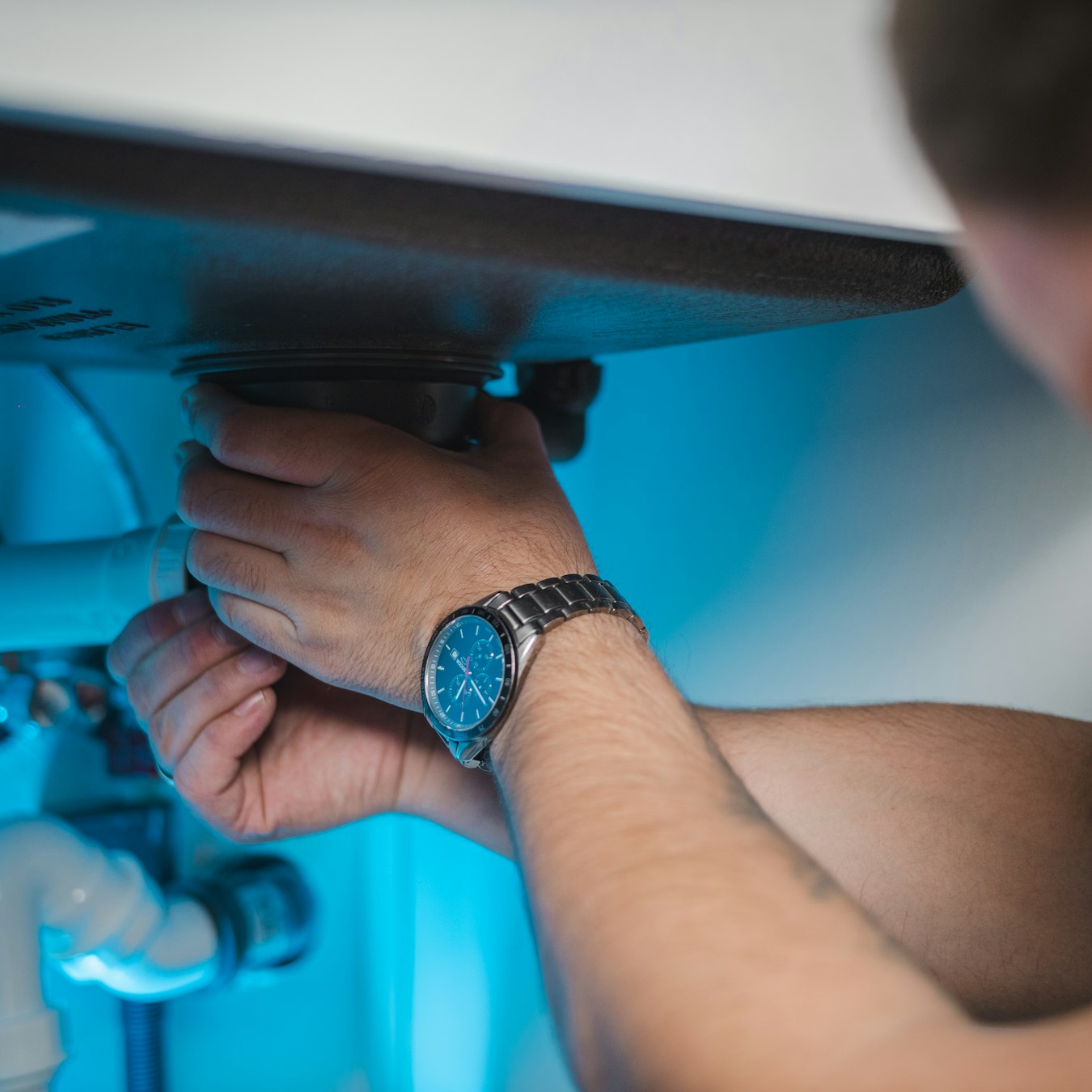
A slow fixture, gurgling floor drain, or repeated backup can point to a local blockage or a problem farther along the drain line. Note which fixtures are affected, when symptoms occur, and whether more than one drain backs up at once. A cable machine can clear many obstructions; hydro-jetting and a camera inspection may be considered when the line and blockage make them appropriate. If a property has a history of repeat backups or older piping, gather previous repair details before deciding what investigation is needed.
Explore this serviceSend the location, symptoms, equipment and access details. State whether the work is a repair, replacement or planned project.
The request is reviewed so the responding provider can clarify the work, property access and service coverage.
Agree the provider identity, qualifications, written scope, pricing and visit window directly. Sending a form does not confirm an appointment.
For a rental between tenants, identify the access window and list which fixtures need replacement before scheduling the work. Confirm who selects and supplies the fixtures, and whether testing or documentation is expected before occupancy. A written list helps separate essential repairs from optional upgrades and reduces the risk of overlooking a fixture during a short turnover.
Photograph the rating plate, shut-off, vent, and surrounding area, then note how often hot water runs short. Tank size, fuel type, venting, and access can change the replacement scope. If considering tankless equipment, ask how its installation requirements differ from the existing tank and what additional work may be needed.
If inspection shows roots entering a line, ask where they enter, how much of the line is affected, and whether cutting alone is suitable. Older clay laterals, where present, may need a follow-up plan because clearing intrusion does not repair a damaged joint or prevent future growth. Compare maintenance recommendations with the camera findings and line condition.
Ask which sections would be isolated and how water service to the rest of the home would be managed during each phase. A zone-by-zone plan can limit disruption, but the layout and condition of connected runs affect what remains usable. Request a marked scope showing proposed access points, affected fixtures, and the order of work.
Record whether dampness changes after rain, fixture use, or a period when water is turned off. If accessible, photograph stains, wet areas, and nearby plumbing, and note meter movement when fixtures are unused. These observations help decide whether plumbing checks are appropriate or whether another investigation, such as drainage or exterior-water review, should be considered.
Use the form to describe the property, the symptoms and the work requested. For Chatham, Chatham-Kent, Ridgetown, Dresden, include your postal code so local coverage can be checked.
For a property in Wallaceburg and Chatham-Kent, describe the work and access details in the form. The listed locations do not confirm a provider's travel range or availability.